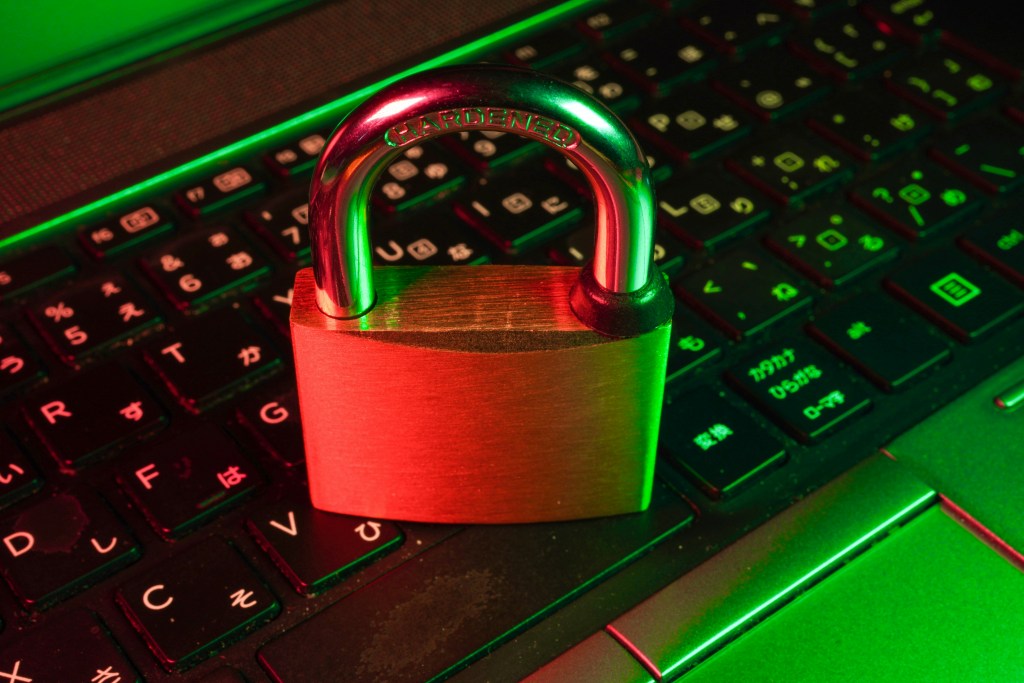
In today’s digitally driven world, the cycle of using and discarding electronic devices is faster than ever. While upgrading to the latest technology is exciting, it’s crucial to remember the importance of responsibly recycling or disposing of your old gadgets. A critical aspect often overlooked in this process is data sanitization. Below, we dive into why ensuring your data is properly erased from devices is essential before they leave your hands.
Understanding Data Sanitization
Data sanitization refers to the process of deliberately, permanently, and irreversibly removing or destroying the data stored on a memory device. This process ensures that the data cannot be recovered by any means. It’s a step beyond merely deleting files or formatting devices, which often leaves data recoverable with the right tools.
The Risks of Neglecting Data Sanitization
1. Identity Theft: Personal devices contain a wealth of information about us – from bank details to personal photos and emails. If this information falls into the wrong hands, it can lead to identity theft.
2. Data Breach: For businesses, failing to sanitize devices can result in data breaches, exposing sensitive customer information, trade secrets, and leading to reputational damage and legal consequences.
3. Compliance Violations: Various regulations require proper data disposal practices. Companies not complying could face hefty fines.
Why It’s Crucial When Recycling Electronics
Environmental Responsibility
Recycling electronics is a significant step towards environmental sustainability. It prevents hazardous materials from ending up in landfills and promotes the reuse of valuable resources. However, ensuring these devices are free from personal data before recycling is equally crucial to protect against data theft.
The Growing E-Waste Challenge
As e-waste continues to pile up globally, more companies and individuals are looking to recycle electronics responsibly. The process of data sanitization plays a pivotal role in this cycle, ensuring that devices can be safely passed on for refurbishment, resale, or recycling without risking data exposure.
Ensuring a Secure Chain of Custody
From the moment you decide to dispose of an electronic device until it reaches its final recycling point, it passes through multiple hands. Data sanitization ensures that your data is secure throughout this chain, regardless of where the device ends up.
Best Practices for Data Sanitization
1. Use Certified Software Tools: For data wiping, rely on tools that meet recognized standards and certifications. These tools can effectively overwrite data, making it unrecoverable.
2. Physical Destruction: For devices that won’t be reused, physical destruction might be necessary. This includes shredding hard drives or using degaussing techniques.
3. Professional Services: Consider hiring a professional data sanitization service, especially for large quantities of devices or particularly sensitive data. These services provide certificates of data destruction, adding an extra layer of assurance.
4. Stay Informed: Regulations and best practices around data protection and e-waste recycling evolve. Keeping abreast of these changes ensures you’re always following the best protocol.
Conclusion
Data sanitization is not just a recommendation; it’s a necessity in our digital age, especially when recycling or disposing of used electronics. By taking the proper steps to erase your data, you protect yourself, your business, and the environment. As technology continues to advance, let’s commit to responsible disposal practices that ensure our digital footprints are as sustainable as the devices themselves.
Incorporating these insights into your approach can significantly enhance your online security and contribute to a more sustainable planet. Remember, the goal is to make data sanitization an integral part of your electronic disposal process, safeguarding your information and the environment.

 Image Surplus | Asset Management
Leave a comment